
EV Charger Installation in Spokane, WA
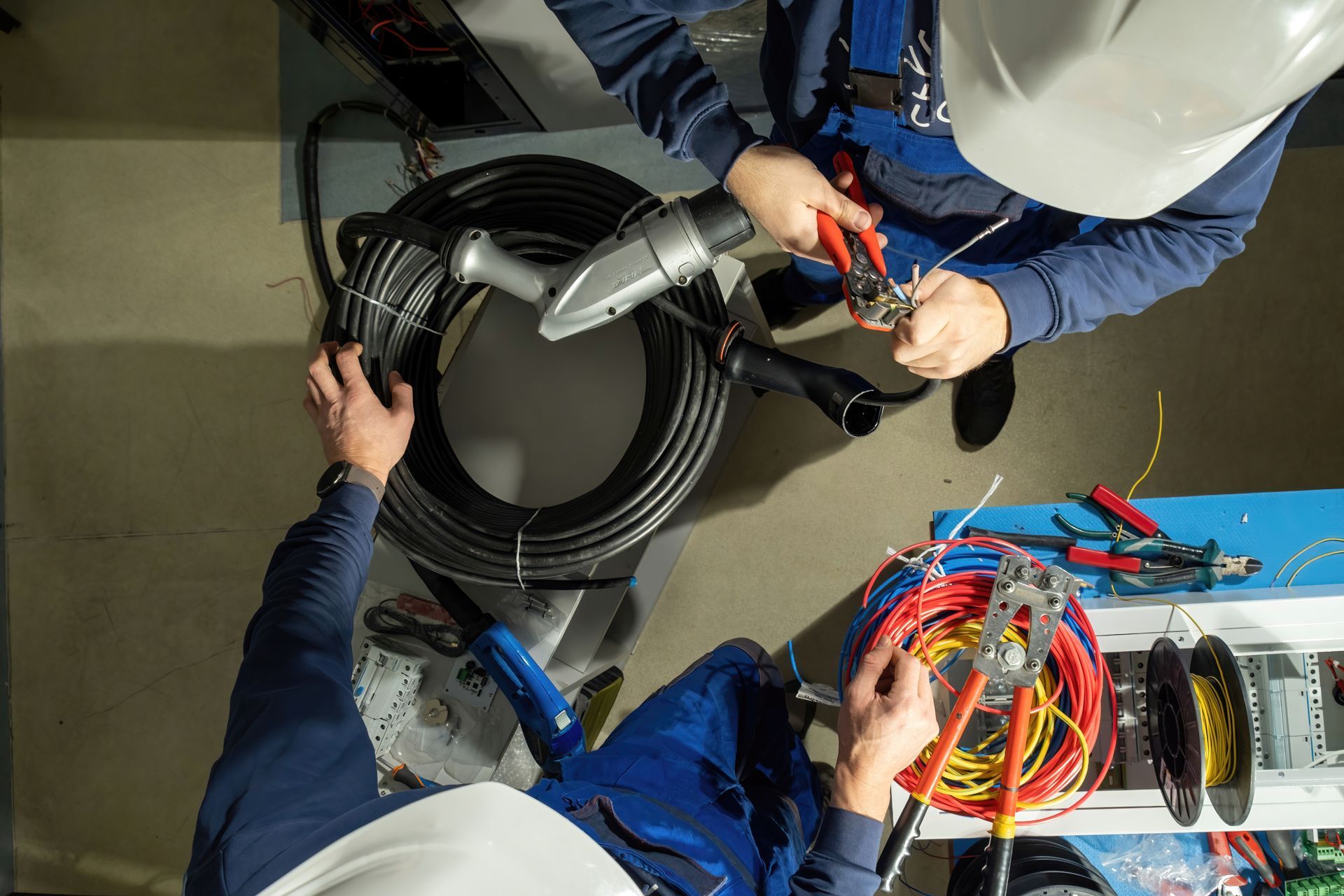
Electric vehicle ownership continues to expand across Spokane, WA, increasing the need for reliable and properly installed EV charging systems. At Bright Side Electrical Services, EV charger installation is handled with a focus on electrical capacity, system compatibility, and safe integration into existing infrastructure. Whether for residential or commercial use, installing an EV charging unit requires more than simply mounting equipment—it involves ensuring the electrical system can support consistent and efficient charging.
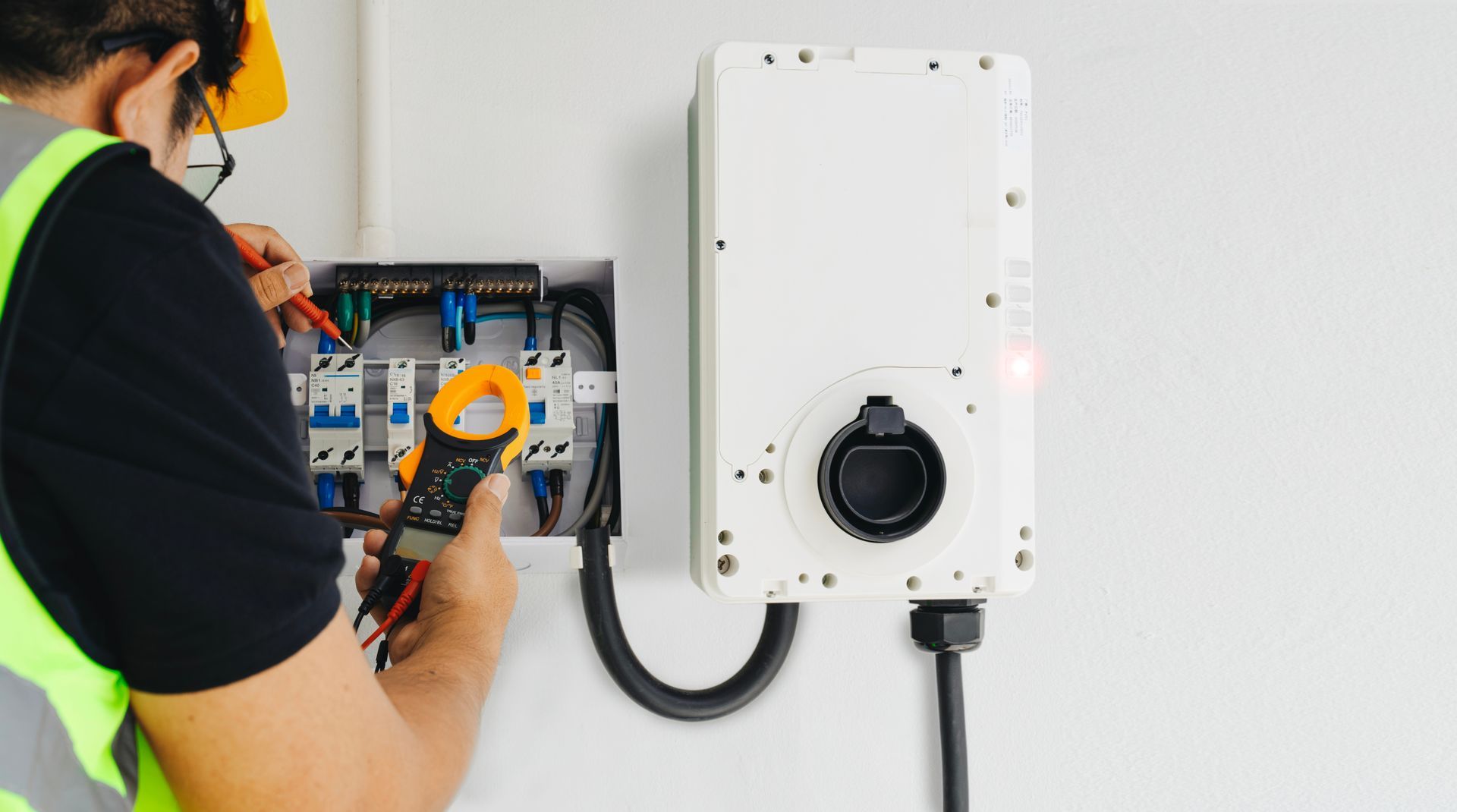
Understanding EV Charger Installation
EV charger installation involves connecting a dedicated charging unit to a property’s electrical system, allowing electric vehicles to recharge safely and efficiently. In Spokane, installations must account for electrical panel capacity, circuit requirements, and the specific type of charger being used. Proper installation ensures that charging units operate reliably without overloading circuits or causing performance issues.
Types of EV Charging Units Installed
Level 1 Chargers
Level 1 chargers use standard household outlets and provide a slower charging rate. While they require minimal electrical modification, troubleshooting and evaluation are still necessary to ensure safe operation.
Level 2 Chargers
Level 2 chargers operate on higher voltage circuits and provide significantly faster charging. Installation typically requires a dedicated circuit and may involve electrical panel upgrades.
Commercial Charging Units
Commercial EV chargers are designed for higher usage and multiple vehicles. These systems require more complex electrical configurations and higher-capacity panels.
The EV Charger Installation Process
Installing an EV charging unit involves several critical steps to ensure the system functions safely and efficiently within the property’s electrical framework.
Electrical System Evaluation
Panel Capacity Assessment
- Before installation, the electrical panel is evaluated to determine whether it can support the additional load of an EV charger. If necessary, upgrades are identified to accommodate the new demand.
Load Calculation
- A detailed calculation is performed to ensure the electrical system can handle existing usage along with the EV charger without exceeding capacity.
Installation and Connection
Dedicated Circuit Installation
- Most EV chargers require a dedicated circuit to prevent interference with other electrical systems. This ensures stable and consistent charging performance.
Charger Mounting and Wiring
- The charging unit is securely mounted and connected to the electrical system. Wiring is installed according to safety standards to maintain proper function.
Testing and System Verification
Operational Testing
- After installation, the charger is tested to confirm it delivers the correct power levels and operates as expected.
Safety Checks
- All connections and components are reviewed to ensure compliance with electrical codes and safe operation.
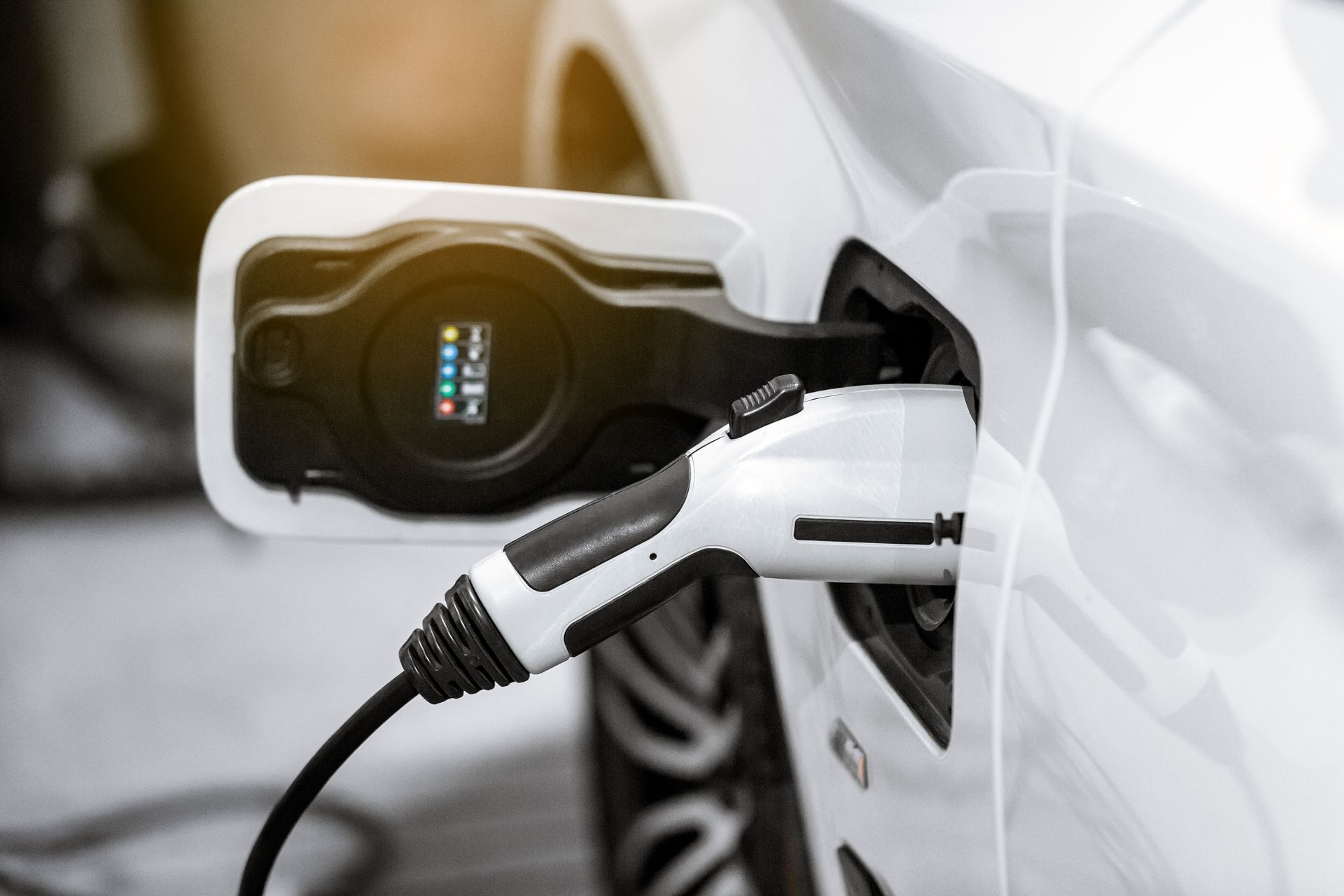
Residential EV Charger Installation
Homeowners in Spokane are increasingly installing EV chargers to support daily vehicle use. Residential installations must align with the home’s electrical capacity and layout to ensure efficient charging.
Home Charging Solutions
Garage Installations
Many EV chargers are installed in garages for convenient access. Electrical routing and panel proximity are considered during installation.
Outdoor Installations
For properties without enclosed parking, outdoor charger installation is an option. Weather-resistant equipment and proper placement are essential.
Electrical Considerations for Homes
Panel Upgrades for EV Charging
Some homes may require panel upgrades to support Level 2 chargers. This ensures the system can handle increased electrical demand without disruption.
Circuit Management
Proper circuit allocation prevents overloading and maintains consistent performance across all electrical systems in the home.
Commercial EV Charger Installation
Businesses in Spokane are incorporating EV charging stations to support employees, customers, and fleet vehicles. Commercial installations require careful planning to ensure scalability and reliability.
Business Charging Infrastructure
Multi-Unit Installations
Commercial properties may require multiple charging stations. Electrical systems are configured to distribute power efficiently across all units.
High-Capacity Systems
Larger installations often require upgraded panels or service connections to handle increased demand.
Operational Considerations
Usage Patterns
Understanding how often chargers will be used helps determine system size and configuration.
Future Expansion
Commercial installations are often designed with future growth in mind, allowing for additional chargers as demand increases.

Service Area for EV Charger Installation
Bright Side Electrical Services provides EV charger installation throughout Spokane, WA 99212 and within a 40-mile radius. This includes Spokane Valley, Cheney, Deer Park, and areas extending to the Idaho border. Each location may have different electrical infrastructure, and installations are tailored accordingly.
Regional Installation Factors
Climate Considerations
- Spokane’s seasonal weather can affect outdoor charging units. Installations are performed to ensure durability and consistent operation in varying conditions.
Property Layout Variations
- Different property types require different installation approaches. Placement and wiring are adapted to suit each location.
Scheduling EV Charger Installation
Installing an EV charging unit is a structured process that begins with evaluating the existing electrical system and ends with a fully operational charging solution. Bright Side Electrical Services ensures that each installation is aligned with the property’s electrical capacity and usage requirements.
What to Expect During Service
On-Site Assessment
- A detailed evaluation is conducted to determine the best installation approach and identify any necessary system upgrades.
Installation and Final Testing
- Once installed, the EV charger is tested to confirm proper operation and integration with the electrical system.